Dead Branch Removal in Reno, NV
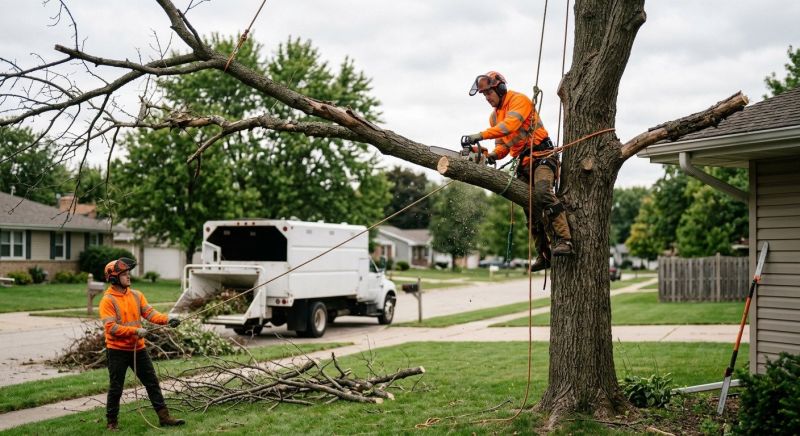
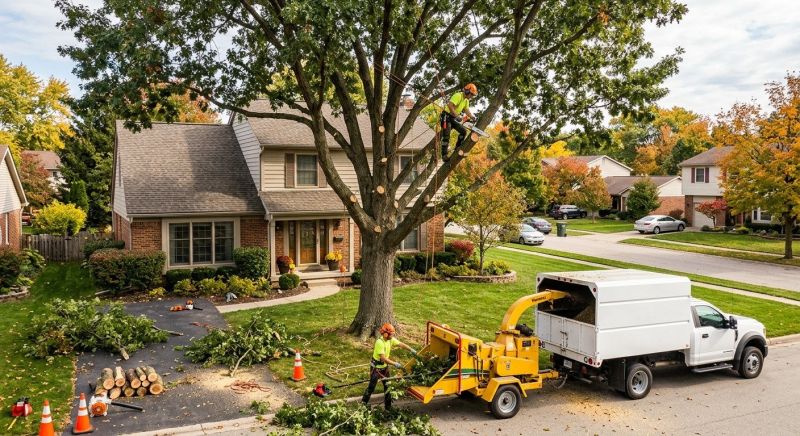
Dead branch removal services involve the safe and efficient removal of dead or dying branches from trees on residential properties. This work helps improve the overall health and appearance of trees, reduces the risk of falling limbs, and minimizes potential damage to property during storms or high winds. Projects typically include trimming or removing dead branches that are hazardous, overhanging structures, or interfering with power lines, ensuring the safety and aesthetic appeal of the landscape.
Property owners interested in dead branch removal should consider factors such as the location and size of the branches, the health of the tree, and the potential impact on surrounding structures or plantings. It’s important to understand whether the branches pose a safety risk or obstruct views, as well as any restrictions or guidelines related to tree maintenance in the area. Clarifying these details can help determine the scope of the project and ensure proper care of the trees and property.
Many property owners in Reno, NV look into Dead Branch Removal for repairs, replacements, upgrades, and appearance-related improvements.
Safety And Property Protection
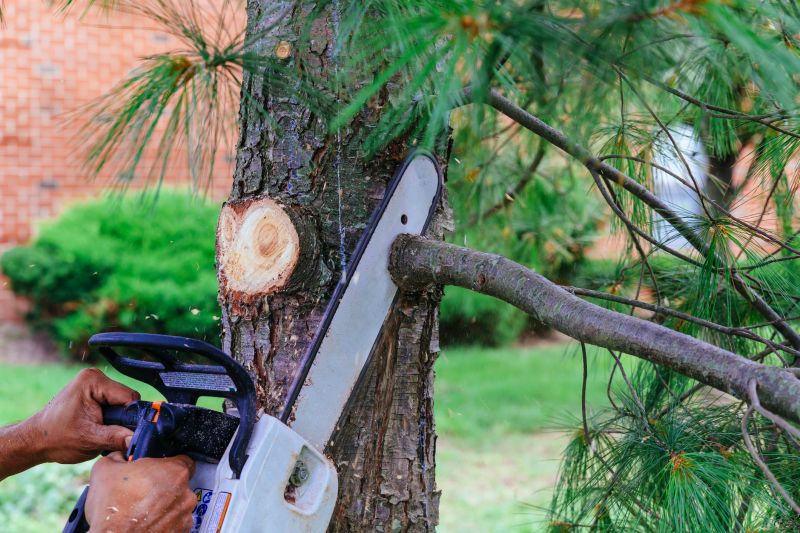
Removing dead branches helps prevent damage to trees, structures, and people during storms.
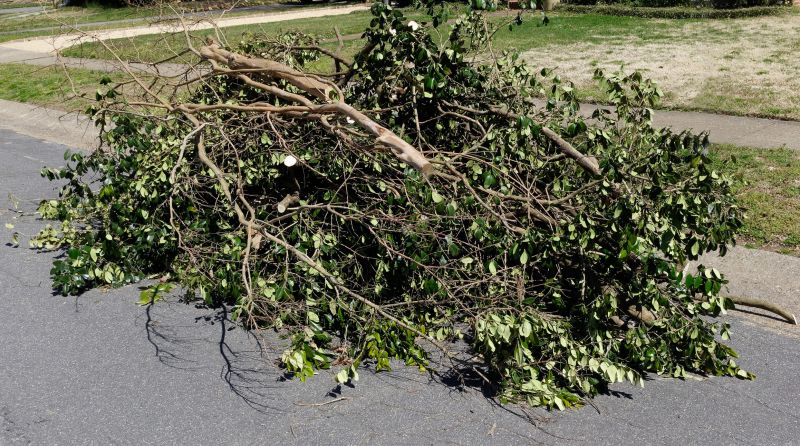
Tree Health And Maintenance
Pruning dead branches promotes healthier growth and extends the lifespan of trees in reno neighborhoods.
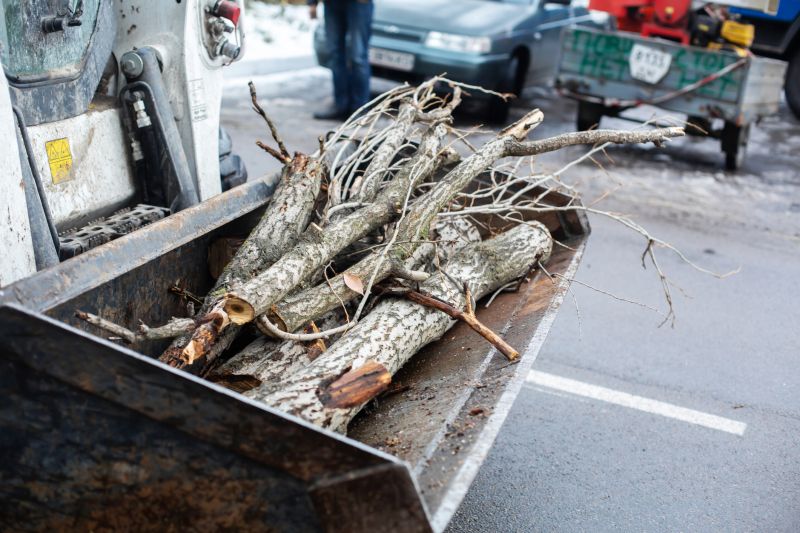
Aesthetic Improvements
Clearing dead or broken branches enhances the appearance and curb appeal of residential and commercial properties.
Dead Branch Removal in Reno, NV
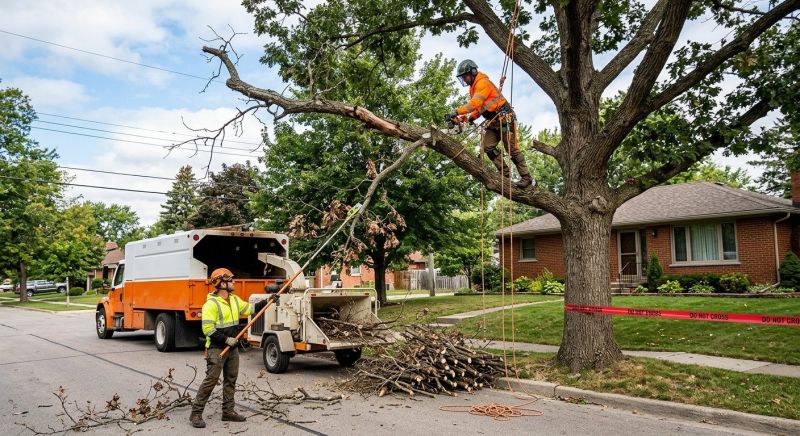
Dead branch removal services involve the safe and efficient removal of dead or dying branches from trees on residential properties. This work helps improve the overall health and appearance of trees, reduces the risk of falling limbs, and minimizes potential damage to property during storms or high winds. Projects typically include trimming or removing dead branches that are hazardous, overhanging structures, or interfering with power lines, ensuring the safety and aesthetic appeal of the landscape.
Property owners interested in dead branch removal should consider factors such as the location and size of the branches, the health of the tree, and the potential impact on surrounding structures or plantings. It’s important to understand whether the branches pose a safety risk or obstruct views, as well as any restrictions or guidelines related to tree maintenance in the area. Clarifying these details can help determine the scope of the project and ensure proper care of the trees and property.
Many property owners in Reno, NV look into Dead Branch Removal for repairs, replacements, upgrades, and appearance-related improvements.
Common Dead Branch Removal Jobs
Dead Tree Removal - safely removes hazardous or diseased trees to prevent damage.
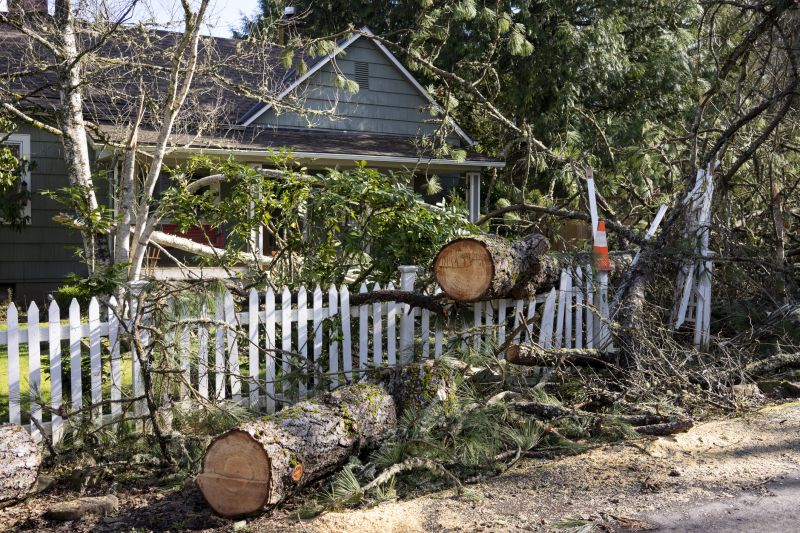
Storm Damage Cleanup - clears fallen or broken branches after severe weather events.
Overgrown Branch Trimming - reduces excessive growth that may interfere with power lines or structures.
Emergency Branch Removal - addresses urgent situations involving unstable or dangerous limbs.
Property Clearing - removes dead branches to improve landscape aesthetics and safety.
Tree Health Assessment - identifies dead or dying branches that pose risks to property.
Dead Branch Removal Questions
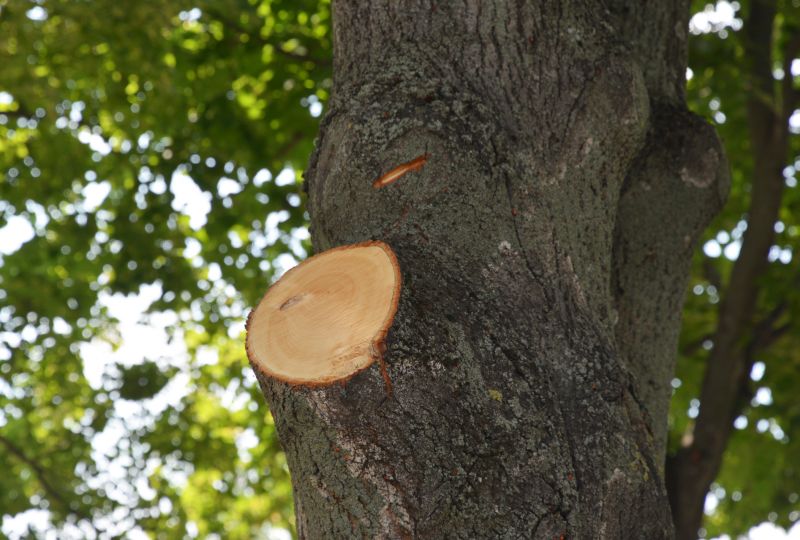
What is dead branch removal? Dead branch removal involves trimming or removing branches that are no longer alive, helping to improve tree health and safety.
Why should dead branches be removed? Removing dead branches reduces the risk of falling limbs, prevents damage to property, and promotes overall tree vitality.
Is dead branch removal safe for trees? Proper removal techniques ensure the health of the tree is maintained while safely eliminating hazardous branches.
When is the best time for dead branch removal? The best time is typically during late winter or early spring when trees are dormant, but dead branches can be removed anytime they pose a risk.
Request Dead Branch Removal in Reno, NV
Use the quote form on this page to share the basics of your project and request more information for the type of work you need.